Grok Reveals How Big Bang Theory’s Penny Afforded Her Apartment
Updated 23:24 28 Oct 2026 GMTPublished 23:18 28 Oct 2026 GMT
How the struggling waitress managed to survive on her modest salary has often been regarded as one of the mysteries of the show
Elon Musk’s artificial intelligence chatbot Grok has weighed in on one of television’s longest-running financial mysteries, brutally breaking down how The Big Bang Theory’s Penny managed to afford her spacious California apartment on a waitress’s salary.
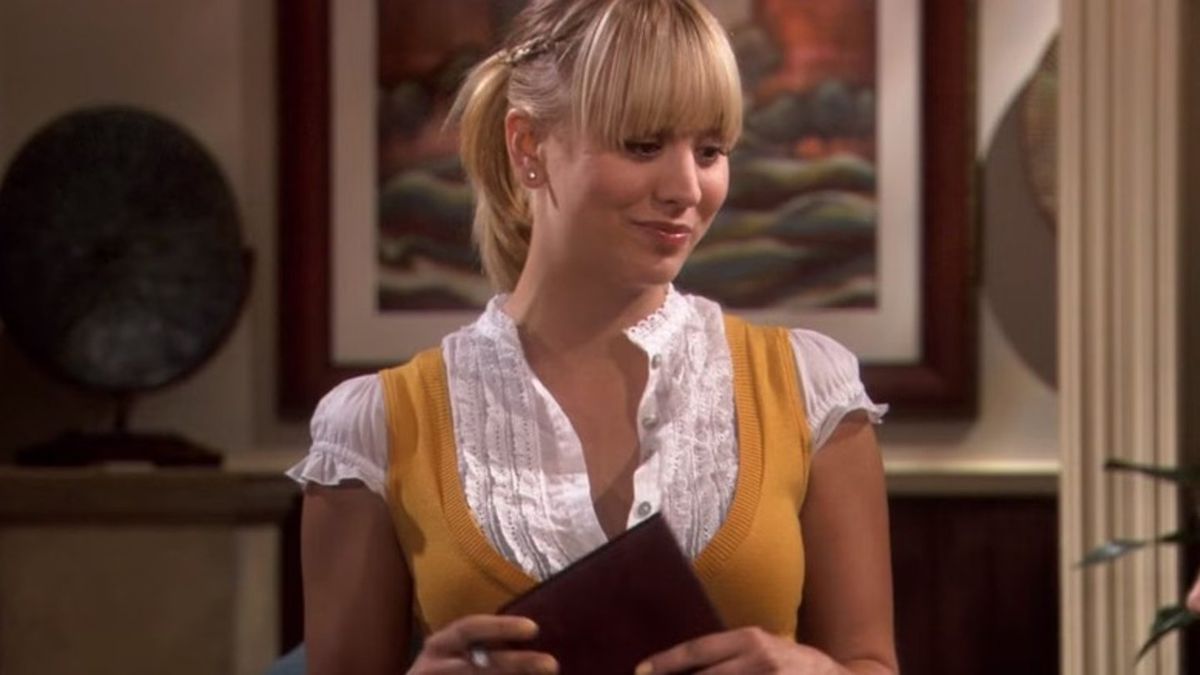
For twelve seasons, sitcom fans and armchair economists frequently questioned how an aspiring actress working shifts at The Cheesecake Factory could maintain a private one-bedroom apartment in Pasadena, directly across the hall from two Caltech physicists who shared rent to get by.
With local rents in the area frequently averaging well over $2,000 a month - and a waitress salary often averaging at around $6 an hour - it's easy to see why many fans thought the apartment was beyond her means.
Yet when asked to solve the mathematical conundrum, the xAI chatbot offered an unsparing verdict: Penny wasn’t budgeting cleverly—she was surviving on shameless freeloading and television logic.
Advert
"She mostly didn't," Grok bluntly concluded when analyzing her household finances. "Penny freeloaded hard—stealing WiFi, eating the guys' food, borrowing cash constantly, and letting bills slide."
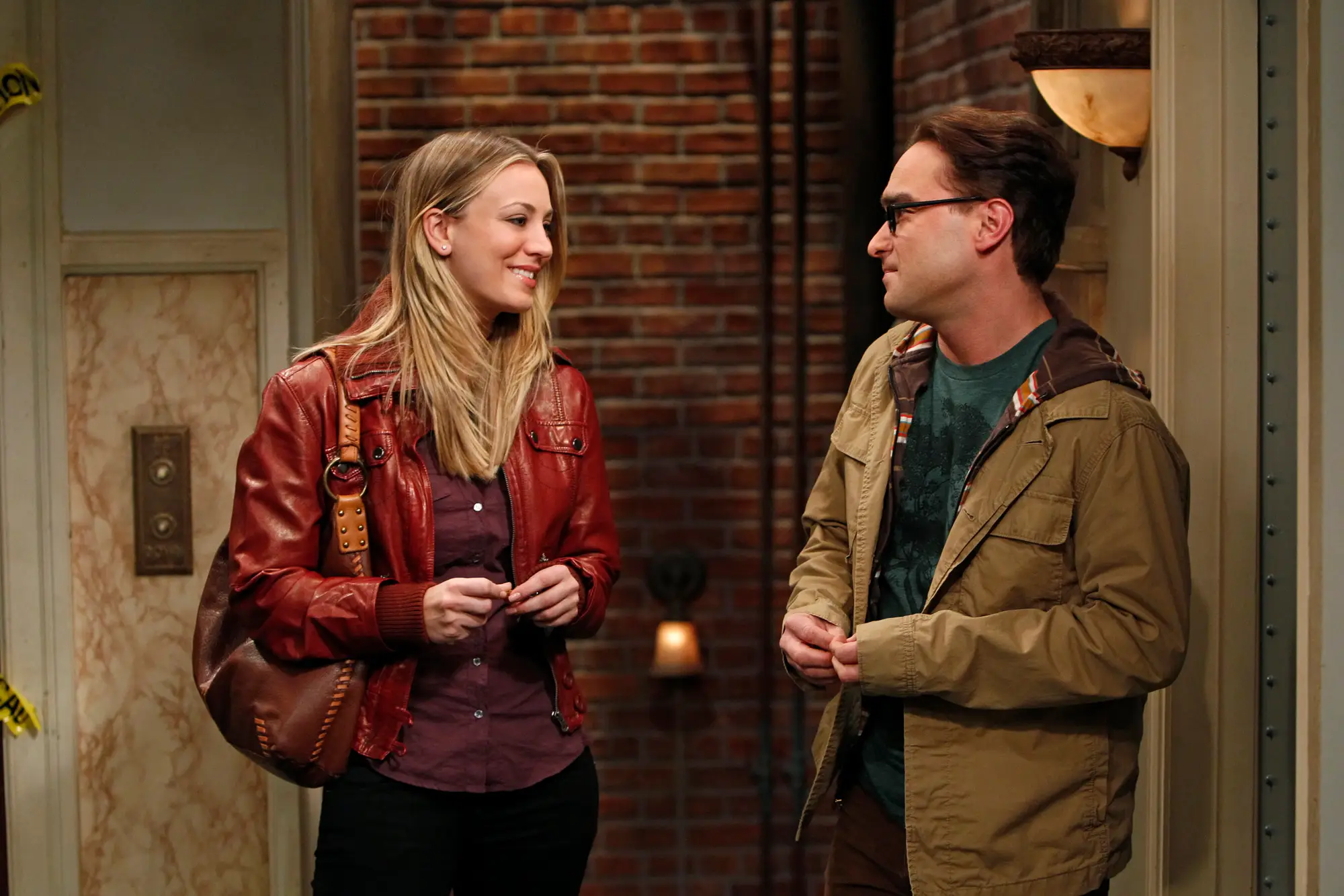
The affordability of Penny's apartment has often been a subject of fascination for fans (Monty Brinton/CBS via Getty Images)
The AI noted that while Leonard Hofstadter and Sheldon Cooper split the cost of apartment 4A on academic salaries, Penny's living situation across the hall relied heavily on cutting corners and exploiting her neighbors' generosity.
"Her place was smaller and shabbier than 4A, rent around $1,400 max," the chatbot explained. "Waitress tips at the Cheesecake Factory plus pure sitcom physics kept her afloat while the PhDs split a nicer unit."
Throughout the show’s 279-episode run, Penny’s chronic financial disarray was a recurring running gag.
Plotlines regularly featured her hiding past-due utility notices, having her electricity shut off, borrowing large sums from Leonard, and relying on Sheldon's meticulous financial records to dig herself out of debt.
Her reliance on the boys went well beyond neighborly favors, famously using their wireless network for years without permission and eating dinner from their takeout containers nearly every night of the week.
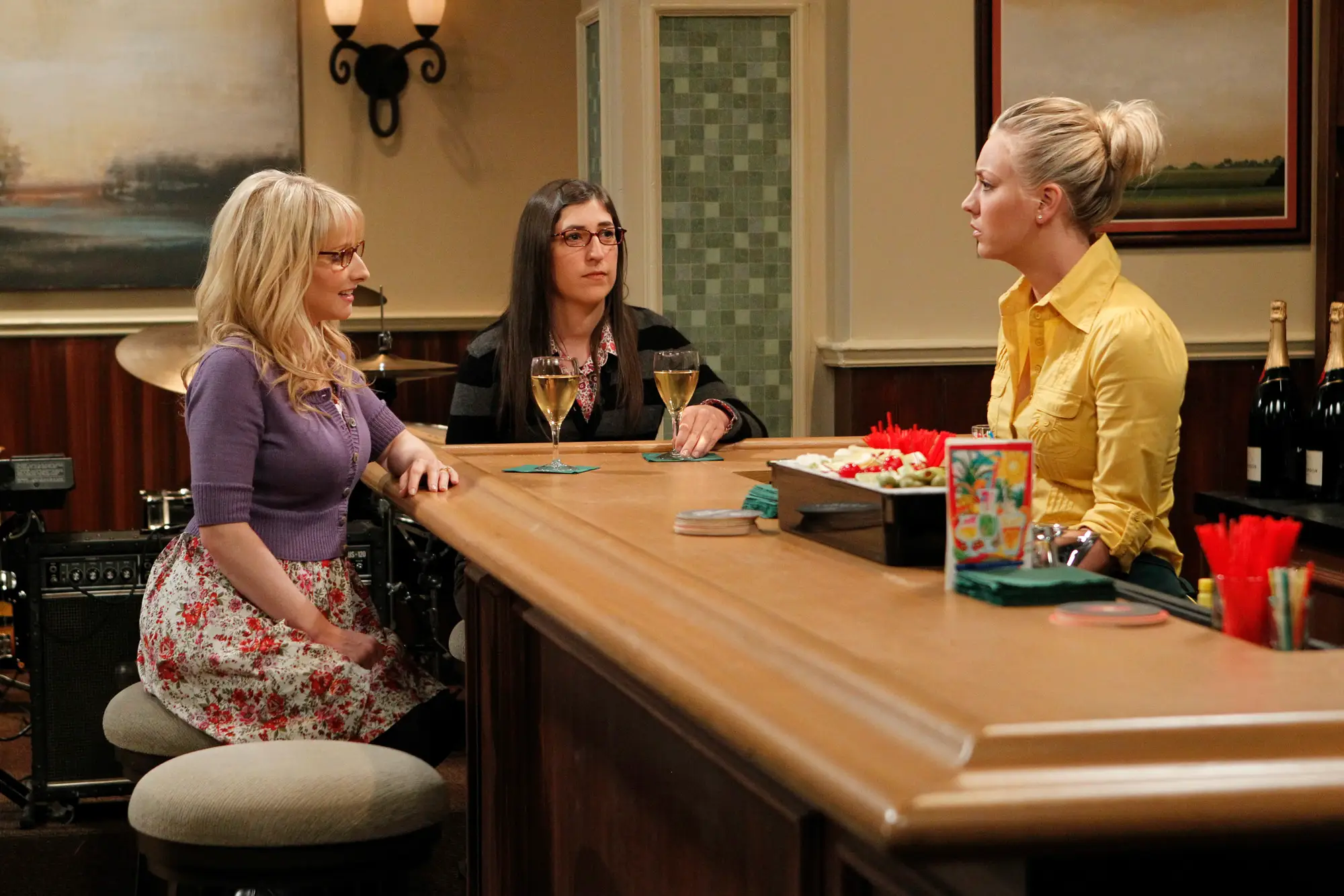
For much of the show's early run, Penny worked as a Cheesecake Factory waitress (Sonja Flemming/CBS via Getty Images)
The assessment struck a chord with fans who have spent years analyzing the real estate economics of early-2000s Pasadena.
While California rental prices would have made living alone nearly impossible on basic hospitality wages, Grok’s calculation points to the ultimate sitcom reality: Hollywood writers prioritize narrative charm over rental market mechanics.
Penny's financial squeeze eventually ended in later seasons when she abandoned acting to become a lucrative pharmaceutical sales representative, but the AI’s viral breakdown confirms what fans suspected all along: her early Pasadena survival was entirely bankrolled by Cheesecake Factory tips, free takeout, and the patience of two nerdy neighbors.
In the end, sitcom logic proved to be her most valuable asset, giving television audiences a beloved dynamic while completely defying the brutal economic realities of Southern California real estate.
Featured Image Credit: CBS
Topics: Film and TV