Why Brits Are Being Urged to Prepare for Two Weeks Without Supermarkets
Published 17:16 12 Nov 2026 GMT
Experts have explained why everyone is stockpiling and how much it would cost for a full food and drink supply from Tesco
This article contains paid shopping links. LADbible Group receives a small payment if you click on these links or make a purchase through them.
While the possibility of going two weeks without supermarkets sounds pretty catastrophic, experts have revealed exactly how much it would cost to stockpile essential supplies in preparation for an emergency.
Sorry, if you just got flashbacks to Covid.
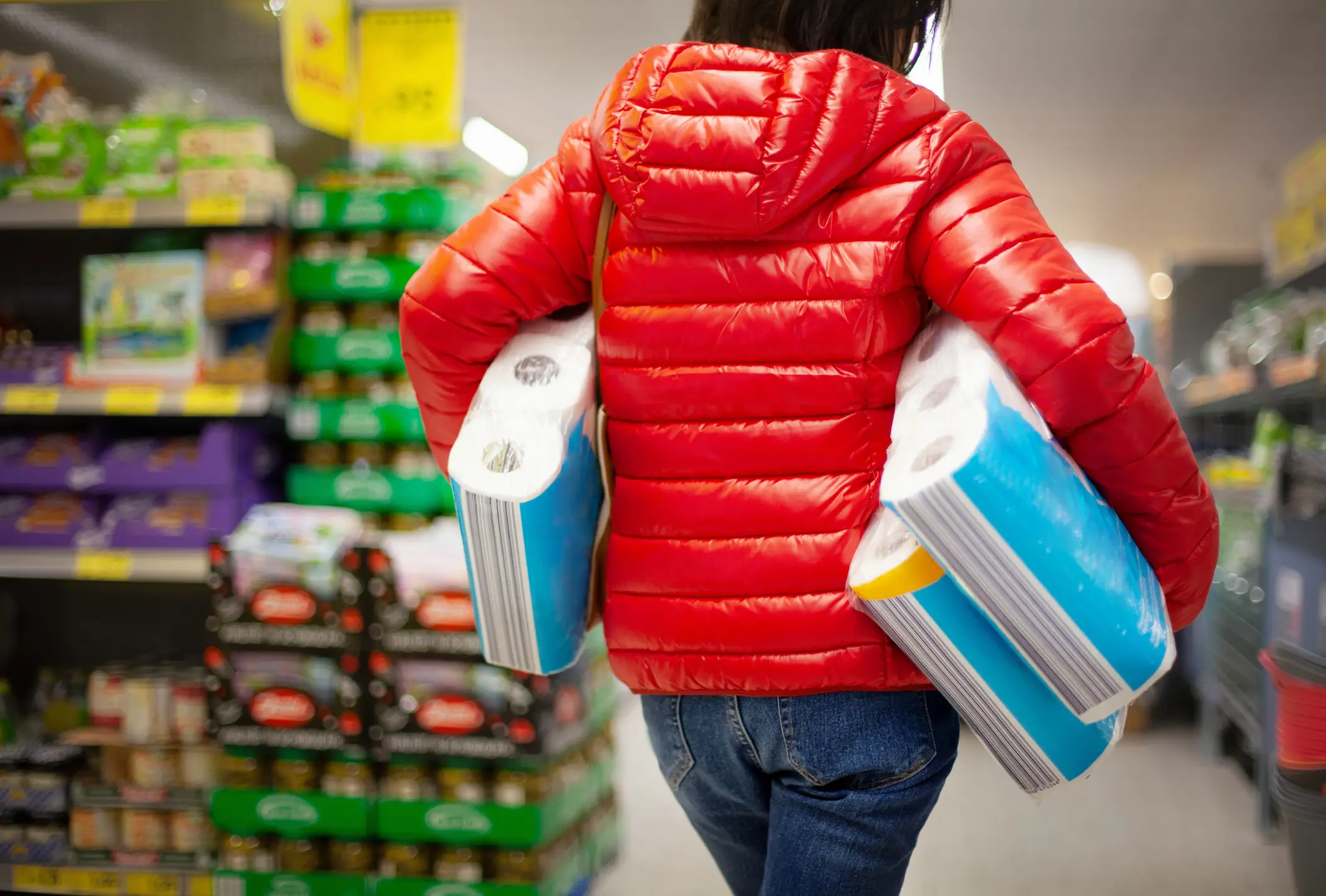
The warning follows the government's Be Ready campaign, which encourages households to keep three days' worth of emergency supplies, like food and bottled water – let's not forget loo roll.
However, security and military preparedness experts believe having enough supplies for two weeks provides that extra layer of protection against unexpected disruptions.
Advert
In case you were wondering, potential threats to the UK's food supply vary from extreme weather and cyberattacks to power outages and issues with international shipping.
That's why we've got in touch with Luis Jurado Laverde – the founder of London-based food brand Laverde Artisan – who has calculated the potential stockpiling costs using Defra's average UK food expenditure of £33.63 per person per week.
(Getty Stock Images)
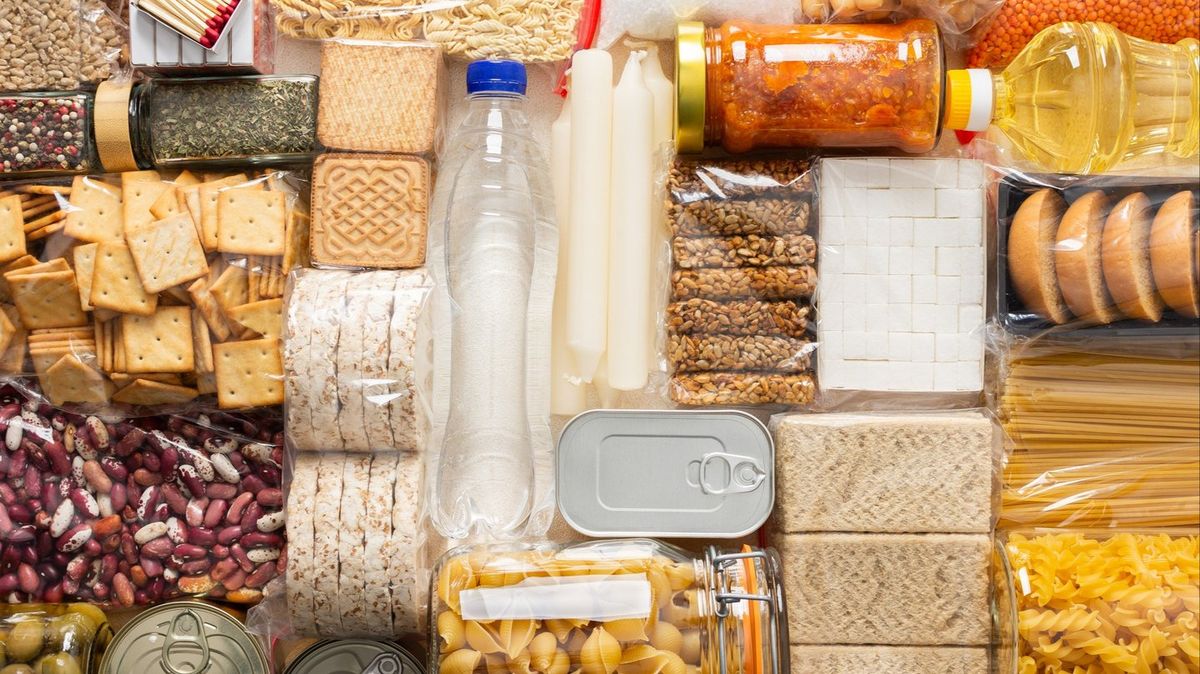
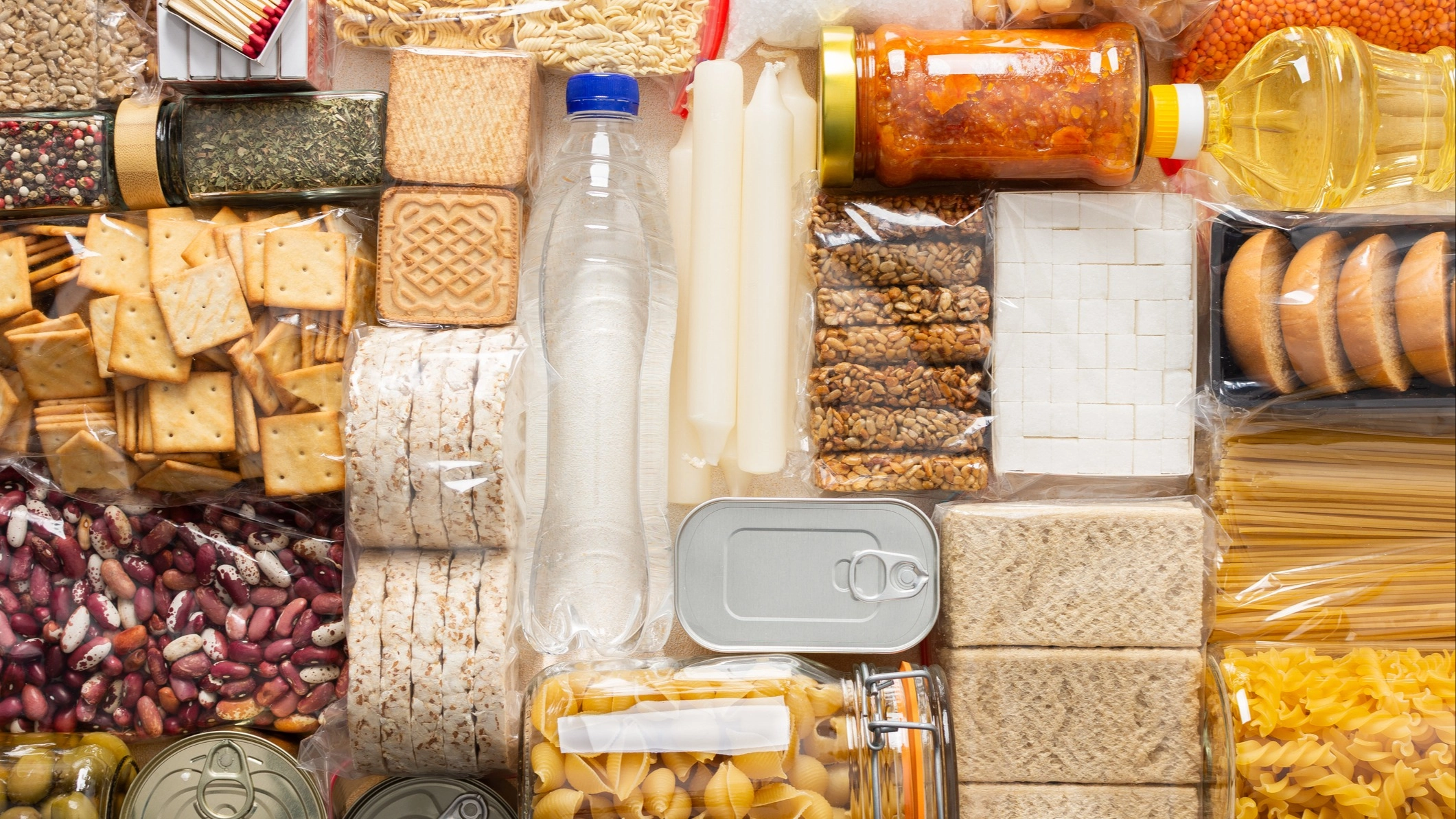
Using Tesco prices checked on 4 November 2026, Laverde compiled an illustrative shopping basket containing 375 individual items costing £313.27.
Laverde tells LADbible: "I'd start with water, ready-to-eat tinned food, nuts, dried fruit, energy bars, honey and anything your family actually enjoys eating that can be stored safely without refrigeration.
"Rice and pasta are cheap, but think about what happens if there's no electricity, gas or clean water to cook them."
- 15 packs of rice (1kg) – £18.75
- 10 packs of spaghetti (1kg) – £11.90
- 8 packs of porridge oats (1kg) – £10.80
- 6 packs of red lentils (1kg) – £15.60
- 72 tins of baked beans – £20.16
- 36 tins of chickpeas – £14.76
- 45 tins of tuna – £29.25
- 12 tins of corned beef – £42
- 30 cartons of UHT milk – £40.50
- 36 tins of chopped tomatoes – £15.48
- 24 tins of peaches – £11.28
- 8 packs of sultanas – £18.40
- 10 jars of peanut butter – £20
- 12 packs of peanuts – £7.08
- 3 bottles of vegetable oil – £4.35
- 24 tins of vegetable soup – £14.16
Food subtotal: £294.47
- 6 bottles of water (2L) – £2.25
- 16 toilet rolls – £7.50
- 1 bottle of antibacterial hand gel – £1.70
- 1 first-aid kit – £7.35
Total: 375 individual items costing £313.27.
The basket is an illustrative starting point, not a complete three-month emergency supply.
- Three months: £437
- Six months: £874
- One year: £1,749
- Three months: £1,749
- Six months: £3,498
- One year: £6,995
(Matthew Horwood/Getty Images)
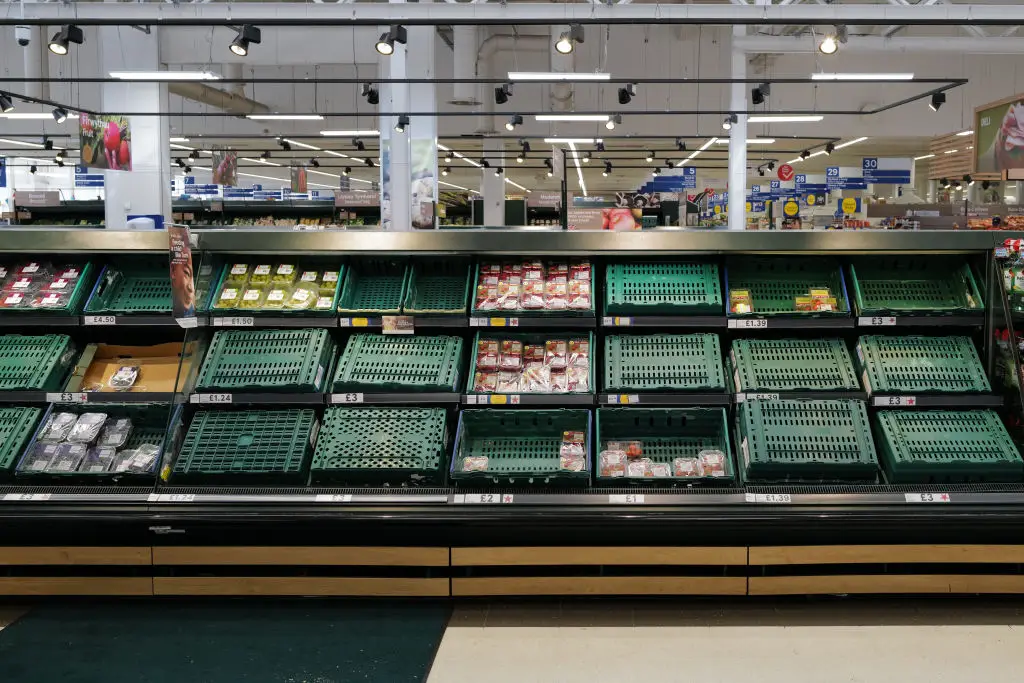
Laverde warned: "I'd expect bottled water, tinned fish and meat, long-life milk, toilet paper, batteries and essential hygiene products to be among the first items under pressure."
He added: "The problem with panic-buying is that supermarkets replenish stock according to expected demand. When everyone suddenly buys several times their usual amount, shelves can empty faster than suppliers can refill them."
Farah Benis, Managing Director of FFA Security Group and Chair of ASIS International UK, has highlighted the potential risks if we were to experience a 'black sky event'.
"These threats are also interconnected. A prolonged power outage can affect refrigeration, communications, payment systems, water pumping and food distribution simultaneously," Benis said.
Philip Farina, US Navy Veteran and Chief Advisor for Risky Business, notes that 'disasters can come in all forms, from storms to extreme winter weather along with the high profile events like WW3, terrorism, protests and riots, etc'.
"Its important that citizens take responsibility for the safety of themselves and their families without reliance and assistance upon the government or local services for their security and well being," he added.
Despite these concerns, experts stressed that a nationwide emergency is not necessarily imminent.
Benis said: "I prefer not to suggest that British households should expect an imminent national emergency. However, disruptions to essential services and supply chains are credible risks, and we have already seen how quickly everyday life can be affected by extreme weather, pandemics, industrial action and infrastructure failures.
"It's entirely sensible to maintain a well-stocked pantry with enough non-perishable essentials to keep a household going for a couple of weeks."
Featured Image Credit: Getty Stock Images
Topics: Shopping, Tesco, UK News, Money, LADwallet