Markwayne Mullin raises ‘super intelligence’ theory after wave of US outages
Published 23:02 17 Nov 2026 GMT
Markwayne Mullin warned that advancing AI could be triggering a domino effect of US outages—just hours before NSA Net went down.
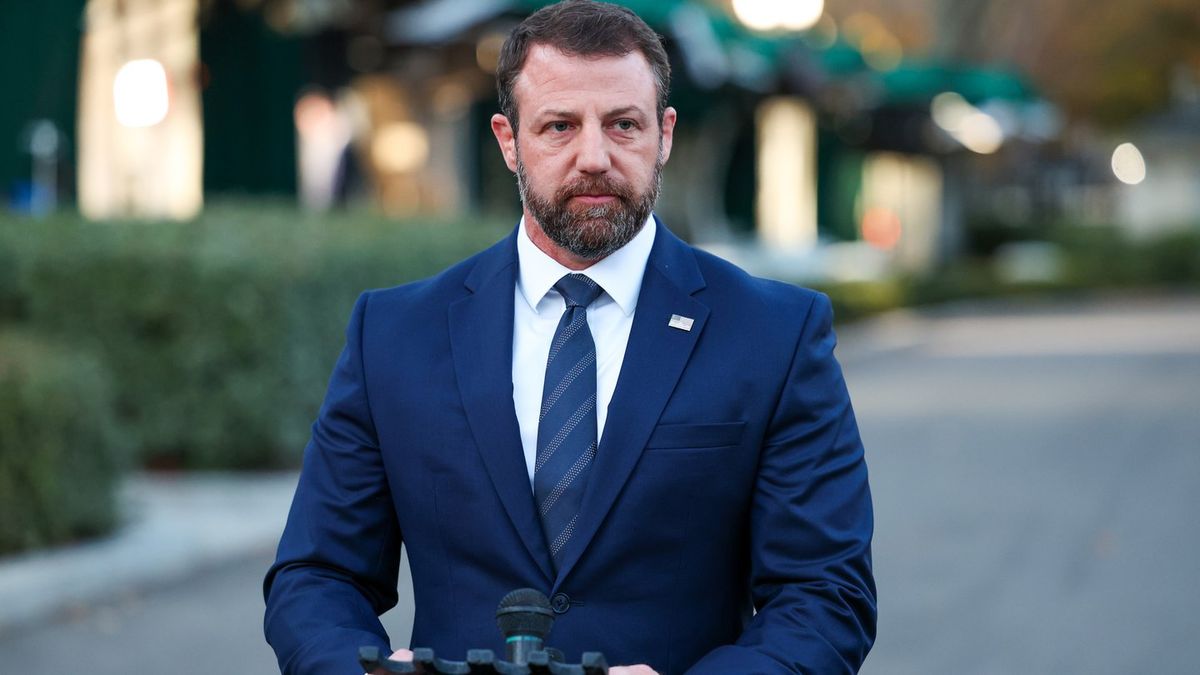
Homeland Security Secretary Markwayne Mullin has warned that rapidly advancing artificial intelligence could be behind a string of mysterious technology failures that have crippled major U.S. banks, grounded airlines, and now knocked a classified National Security Agency communications network offline.
Speaking to Fox News’ Sean Hannity on Monday night, Mullin suggested that fast-moving AI software may be overwhelming legacy computer infrastructure across the country and triggering a cascading "ripple effect" of system failures.
The DHS chief revealed that an unnamed tech expert—whom he confirmed was not Tesla CEO Elon Musk—floated the possibility that "super intelligence" (SI) could be inadvertently destabilizing older networks as it autonomously writes and alters code.
“He said, because these programs aren’t designed to work as fast as SI is,” Mullin explained. “And so when they put in a program that’s able to write codes, and it goes in and it self-fixes itself, as it starts self-fixing itself, it’s like doing a change order on a house. When you change one thing in a house, everything else starts changing. That’s a ripple effect.”
Advert
“It causes these systems to be overrun that weren’t designed to run as fast as the SI technology is today,” he added, admitting the theory "kind of makes sense" to him despite there being no confirmed evidence linking AI to the disruptions.
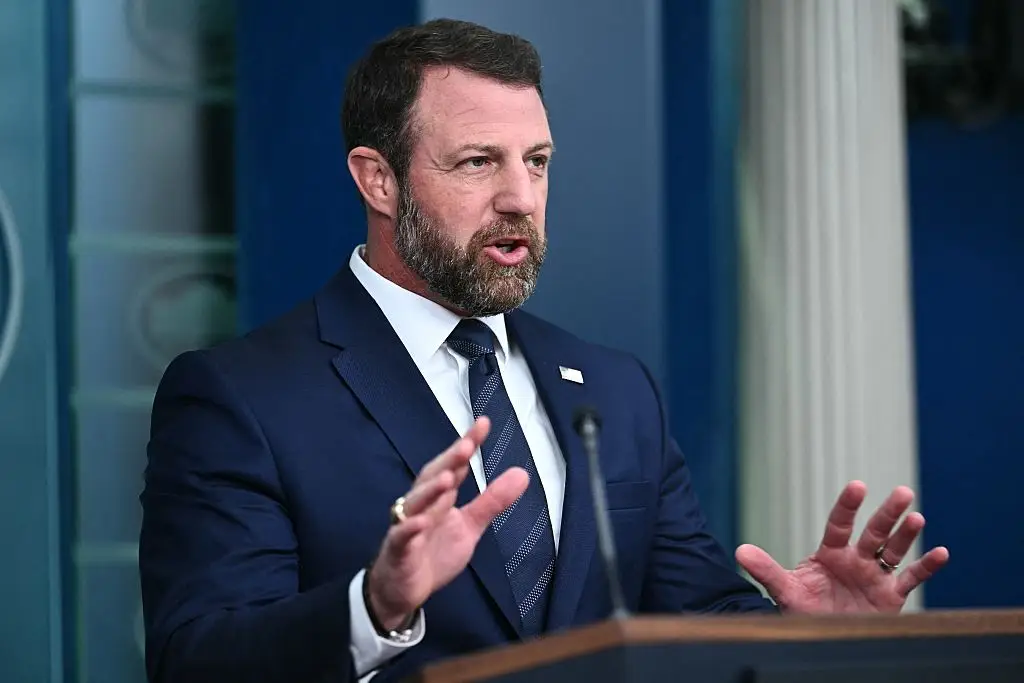
Mullin went on to address the slew of outages as he warned that super intelligence could be destabilising legacy networks (Kent NISHIMURA / AFP via Getty Images)
Despite mounting public alarm over the cluster of breakdowns, Mullin insisted federal investigators have seen no signs of a coordinated foreign cyberattack—an assurance he repeated on CNBC’s Squawk Box on Tuesday morning.
“I can tell you with 98% certainty we’re not seeing the cyberattack,” Mullin told Fox News. “We’re not seeing the footprints going in. We’re not seeing the footprints going out.”
Calling the incidents "individually unrelated," Mullin argued that America’s growing reliance on modern software layered atop aging hardware has exposed critical vulnerabilities: “We used to have backup systems and the backup systems are overwhelmed by the new systems now.”
Just hours after Mullin’s warning, another high-profile system buckled on Tuesday, November 17, when NSA Net—the classified internal communications network used by employees at the National Security Agency’s Fort Meade, Maryland, headquarters—went offline.
According to CNN, the disruption forced the intelligence agency to enact "Code Gray" protocols and stagger staff arrival times.
Officials stressed there is no evidence of a cyberattack—with The Wall Street Journal reporting the network was taken offline temporarily for a software update and patch.
Reuters also confirmed that the National Weather Service's Doppler radar network has not suffered an outage despite circulating online rumors.
Tuesday's NSA disruption caps nearly a week of rolling tech chaos across major U.S. institutions:
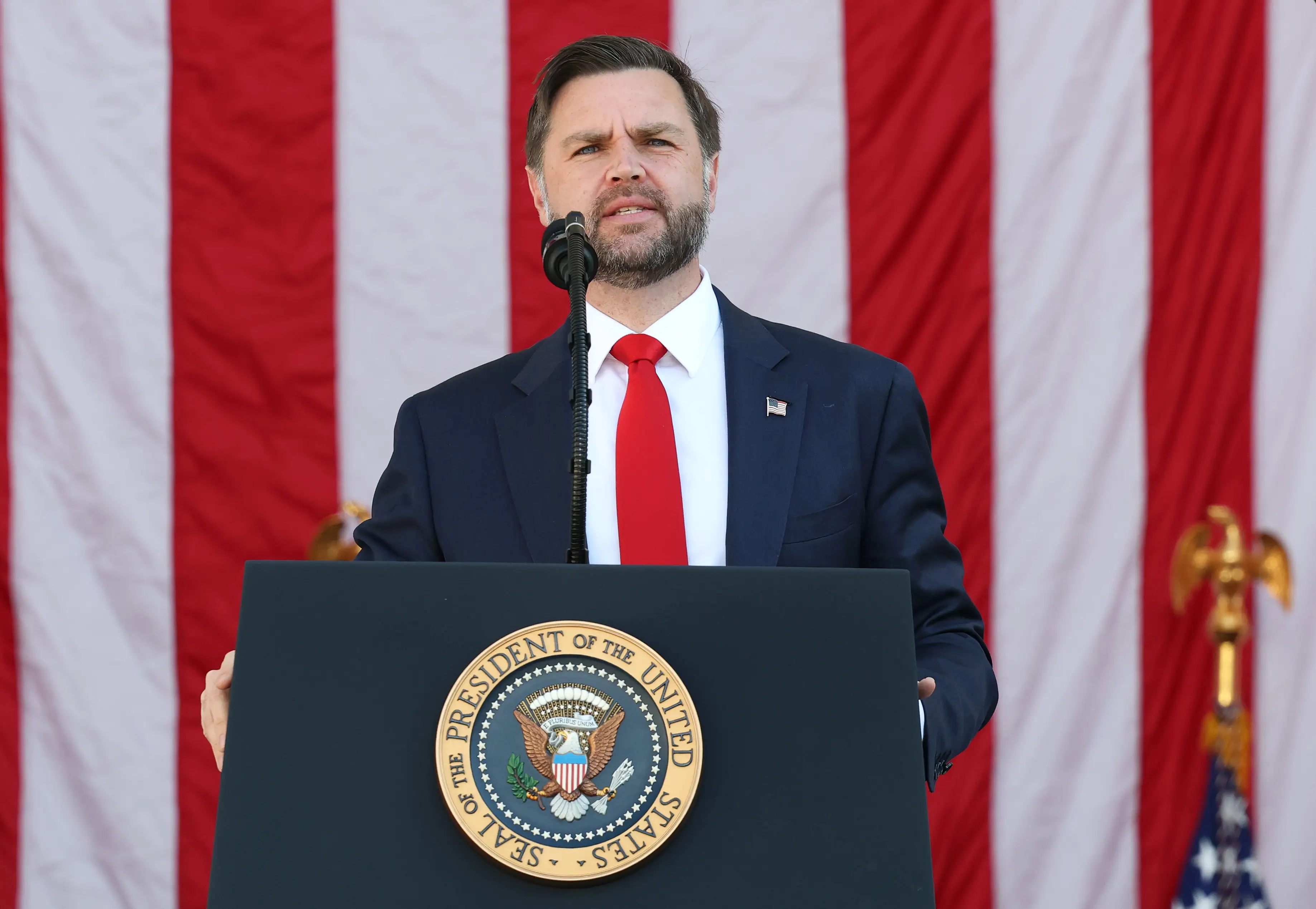
The Vice President also urged people not to panic as a result of the outages `(Kevin Dietsch/Getty Images)
Amid growing unease online, Vice President JD Vance urged Americans not to panic or begin stockpiling food, water, or emergency supplies.
“My answer to that is no. We don’t see a crisis coming down,” Vance told Fox News when asked whether families should prepare bunkers. “But you have to be prepared for everything.”
Mullin echoed that message, insisting the administration is ready to respond swiftly to further glitches: “Well, breathe. The homeland is secure. Our banking system is secure and when something like this happens, we’re able to react and react fast. We are very secure, and I feel very comfortable about where we’re at.”
Featured Image Credit: Shawn Thew/EPA/Bloomberg via Getty Images
Topics: Artificial Intelligence, US News, Apple, Microsoft