Why ‘Mega El Niño’ Could Bring Storms and Cold Snaps to UK
Published 08:48 24 Nov 2026 GMT
It's expected to be the biggest weather phenomenon in decades
Anyone who keeps up with the weather will have heard about the threat of Super El Niño but it seems as if things are going to be worse than originally imagined.
A Super El Niño 20 years ago might have related to Fernando Torres goalscoring form for Liverpool and Spain but these days it's more to do with trade winds.
It's pretty complex science but essentially, a Super El Niño occurs when these winds around the tropical Pacific weaken sharply or reverse, allowing a massive surge of warm surface water to spread eastward and push sea surface temperatures up.
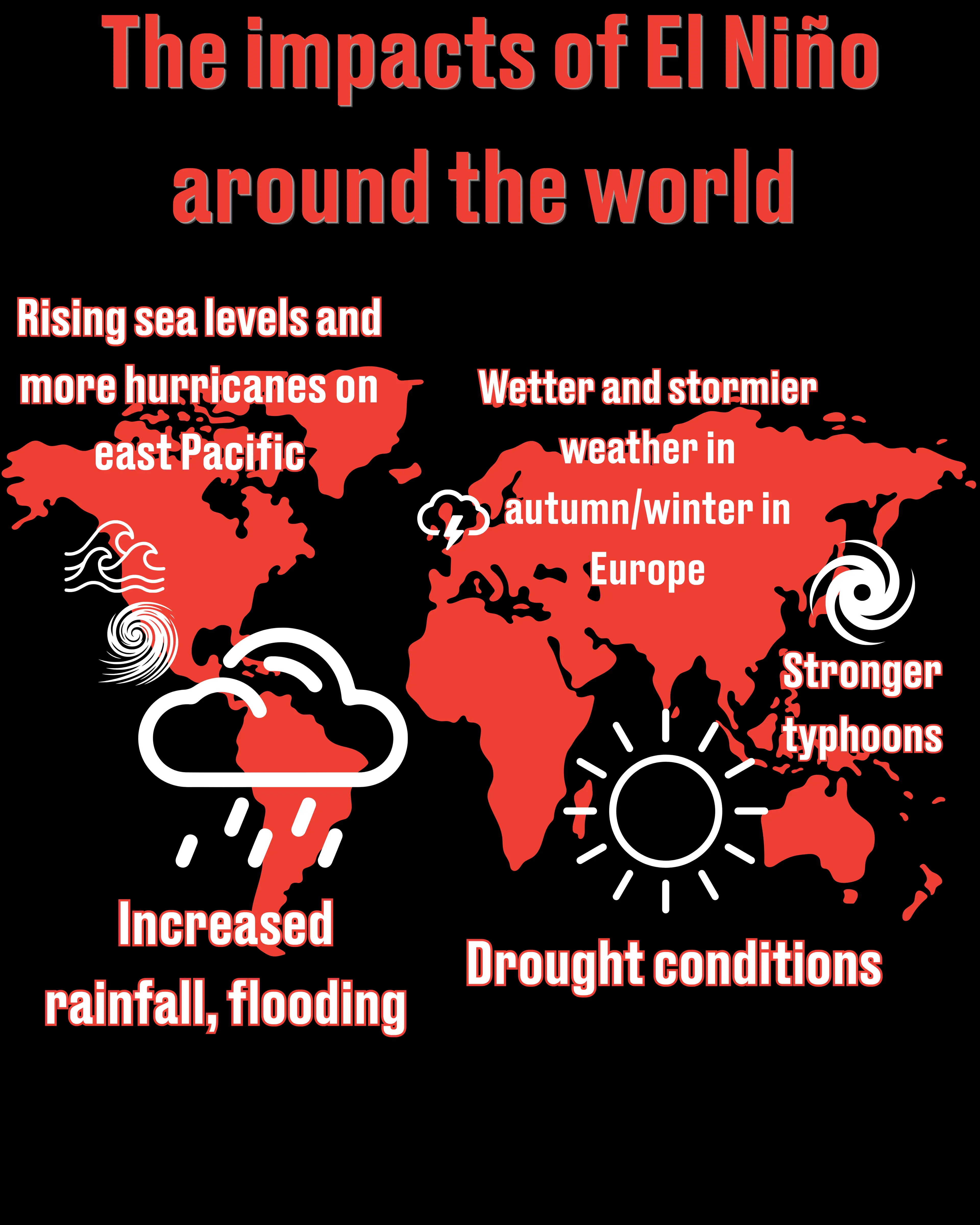
As a result, some areas can suffer increased temperatures and droughts, leading to wildfires, while other areas could be forced to deal with weather phenomenons such as monsoons, typhoons and even hurricanes.
Advert
Here in the UK, the impact is likely to be less severe but with temperatures already dropping to close to zero, it seems clear that we're in for a harsh winter season, particularly after meteorologists warned about the strength of this particular El Niño, which was already expected to be the most severe in decades.
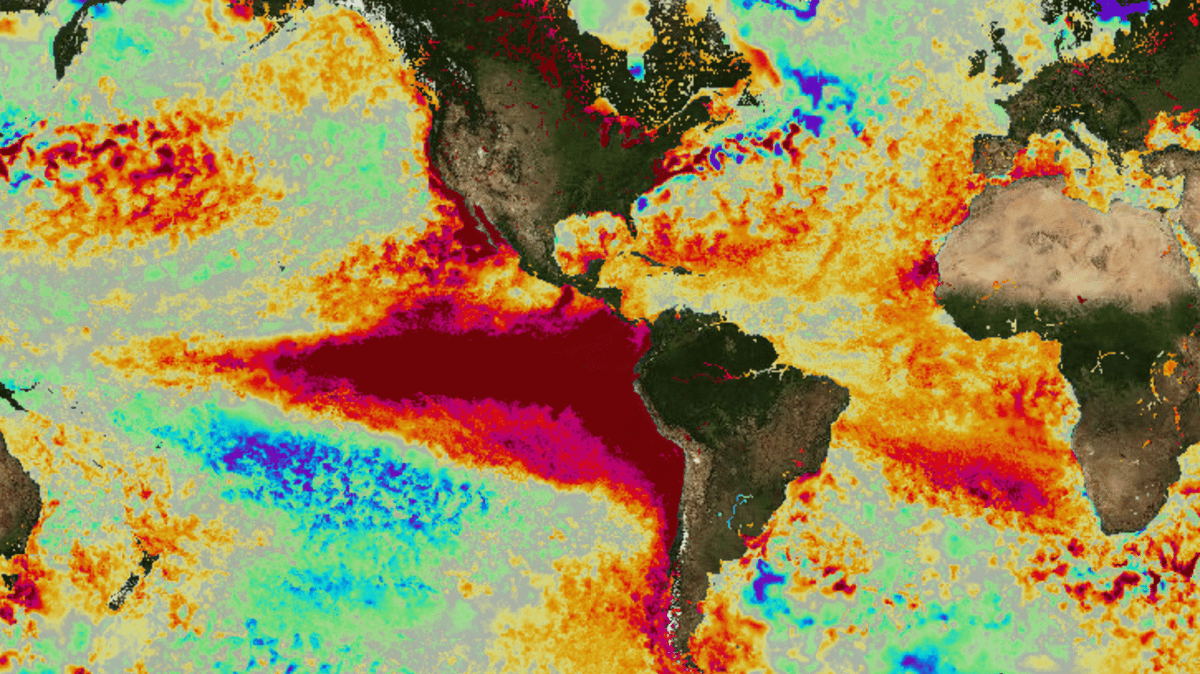
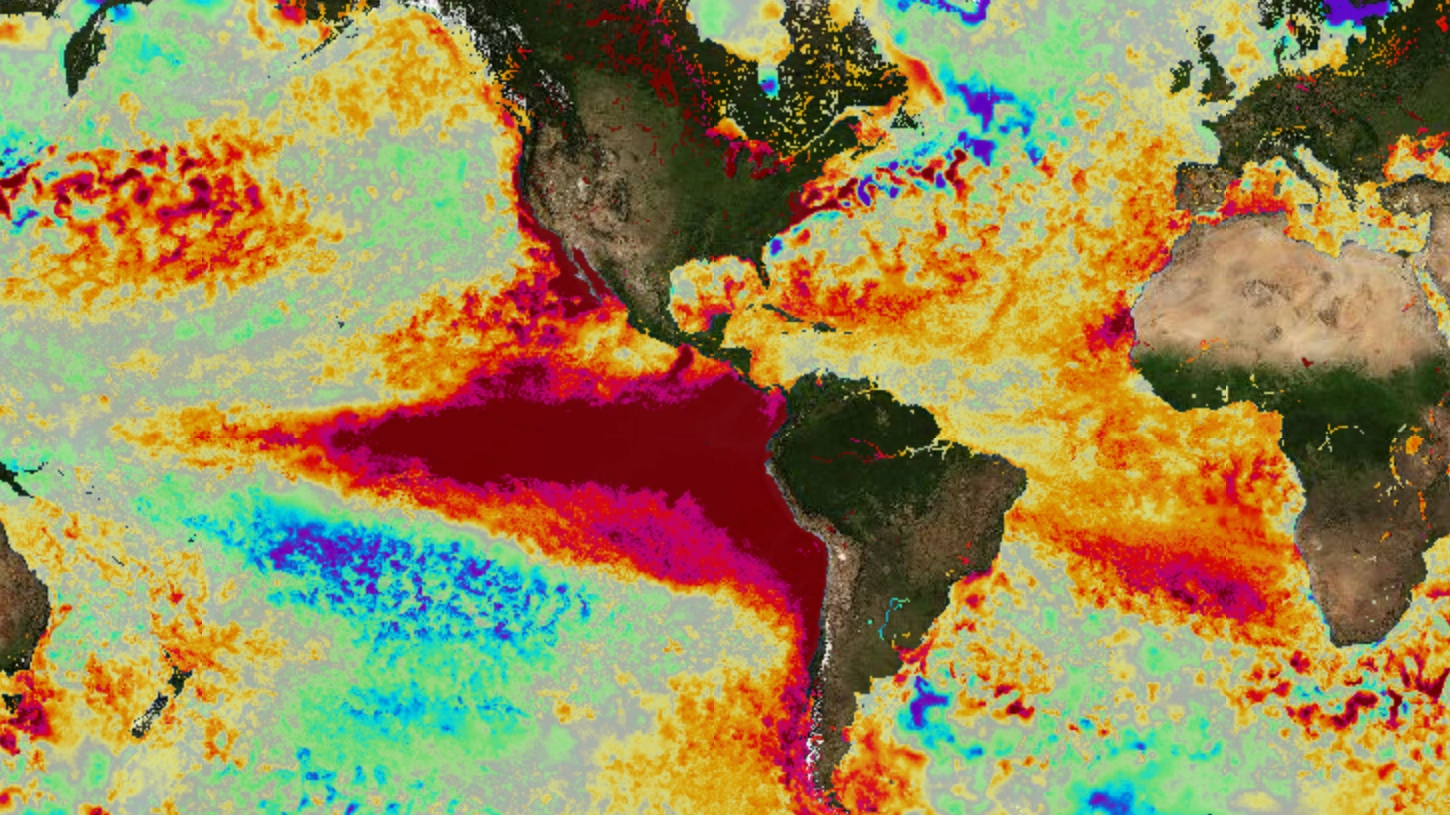
US meteorologist Ryan Maue wrote on X: “+10°C sea surface temperature anomaly near Galapagos and off coast of Peru. This is now a mega El Niño.”
The impacts of El Nino across the world (LADbible)
Naturally, while you might have sympathy for those in Asia, Africa and the Americas who are expected to be most affected by this weather phenomenon, you're probably also wondering how it's likely to impact the UK.
Met Office spokesperson Nicky Maxey spoke to LADbible earlier this year and suggested that the potentially extreme climate pattern will 'indirectly' affect Britain and will be 'just one of several climate drivers influencing weather patterns in Europe and the UK'.
"Its impacts here in the UK are typically indirect, but it can increase the likelihood of more unsettled conditions later in the year, including a higher chance of wetter weather during autumn and early winter," Maxey adds.
"However, any potential impacts will be assessed in more detail later in the year as forecasts evolve."
Although the weather itself might not be so bad here in Britain, we might also suffer indirect pressures when it comes to food and energy costs, particularly with the adverse weather conditions impacting crops such as rice and corn which are usually imported from abroad.
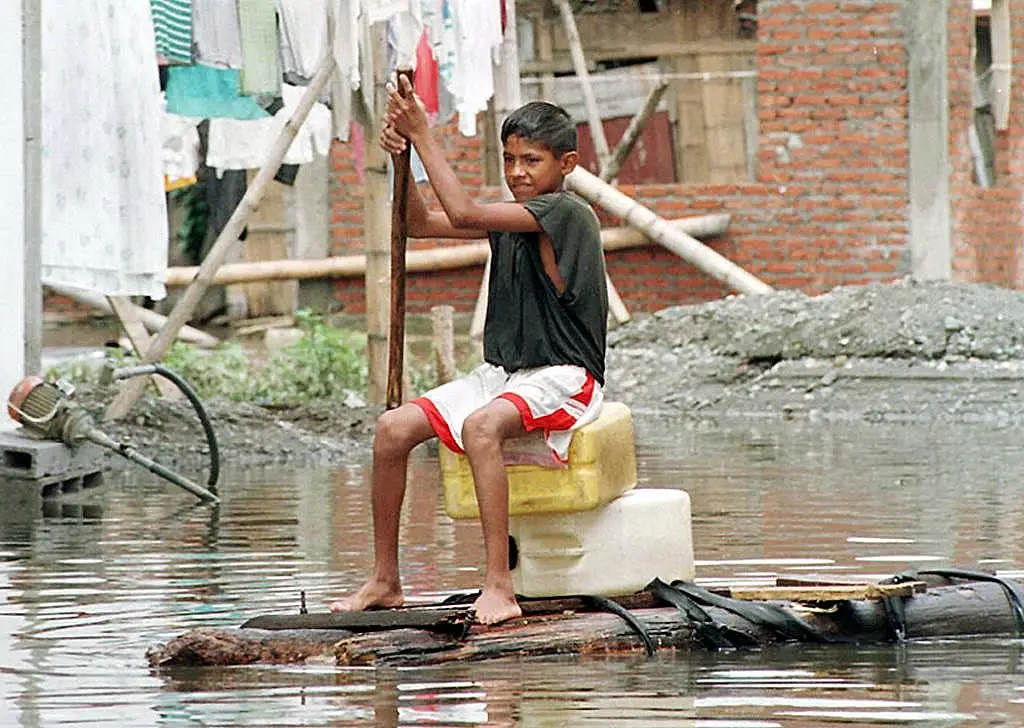
El Nino is already having an impact across the world (FRANCESCO DEGASPERI / AFP via Getty Images)
The Met Office writes: "From October to December 2026, there is a slightly increased chance of the UK experiencing stronger westerlies (prevailing winds from the west) and low-pressure patterns which are associated with increased storminess and an increased risk of heavy rainfall and flooding.
"In early 2027, there is a slightly increased risk of easterlies and northerlies (prevailing winds from the east and north) and ‘cold snaps’, characterised by a sudden drop in temperatures."
António Guterres, UN Secretary-General added: “We have entered a new age of climate extremes.
“A supersized El Niño is colliding with a planet already superheated by manmade climate change.
“Climate records keep falling. The human costs keep rising. And those least responsible are suffering first and worst.
“Leaders must get serious by cutting emissions faster, accelerating a just transition from fossil fuels and delivering the finance and protection vulnerable countries need.”
The UK government has urged people to 'Be Ready' for this winter and while it's not quite time to be stockpiling toilet paper, it's clear that the next few months are going to a bit all over the place when it comes to the weather.
Featured Image Credit: El nino live
Topics: Weather, El Niño, Environment, UK News, Global Warming