Eight Overlooked Signs of a High-Functioning Alcohol Addiction
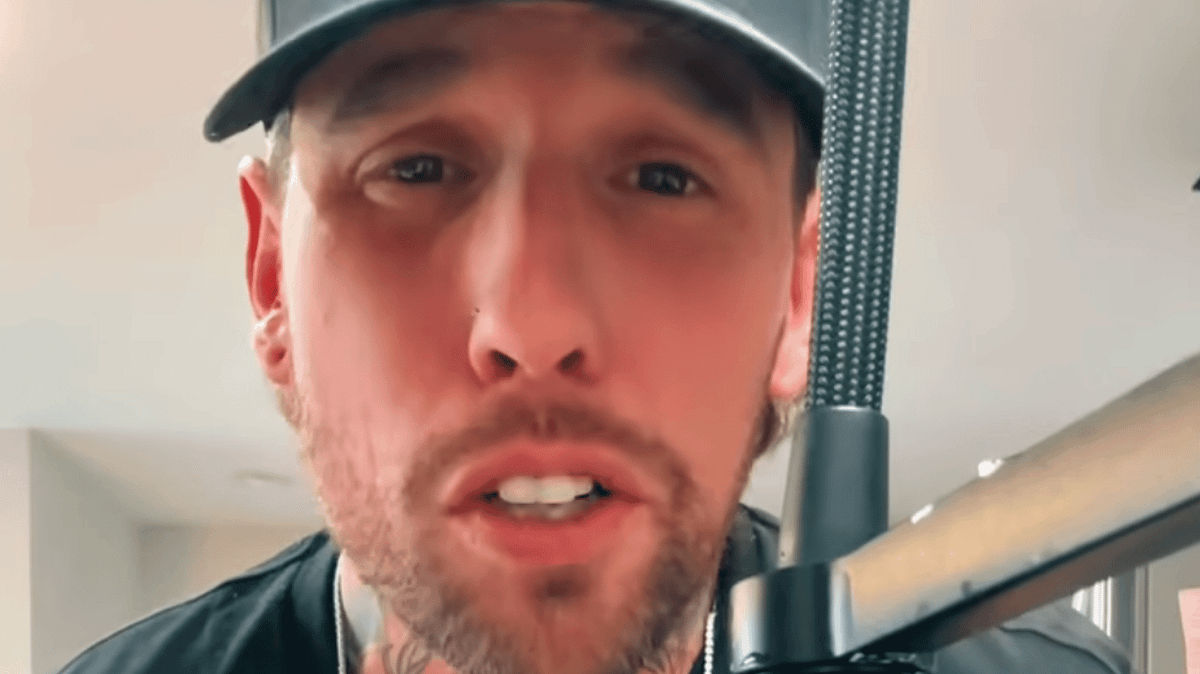
Updated 13:20 11 Oct 2026 GMT+1Published 19:34 7 May 2026 GMT+1A former drinker-turned-coach has detailed everything you need to knowWarning: This article contains discussion of alcoholism which some readers may find distressing.A former addict has detailed some of the biggest ‘red flags’ he believes most people overlook in so-called ‘high-functioning alcoholics’ as they don’t ‘look dramatic enough to take seriously’.Statistics supplied by the British government suggest there are more than 600,000 adults in the UK with alcohol dependence. Meanwhile, Alcohol Change UK warns that around 16.4 million others are drinking in ways that pose serious health and wellbeing risks.One of these was Ben Lowe, an entrepreneur who suspects many of these aren’t aware that they are alcoholics, as their day-to-day life doesn’t fit the stereotypical mould.AdvertThe colloquial term is designed to describe someone who lives with an addiction—in this case, dependent on alcohol—but manages to go about their daily routine, look after their family, and go to work according to UK Addiction Treatment Centres.Ben Lowe explained the eight signs he believes points to someone being a high functioning alcoholic (Facebook/benlowecoaching)"Alcohol abuse can sometimes be confusing and difficult to spot, especially if a person appears to be capable of doing everything they need to maintain core aspects of their lives," explained Priory, which offers assistance to those struggling with addiction."They may perform well at work, have a pristine appearance and enjoy an active social life. While they may seem OK to the outside world, it’s likely that warning signs and symptoms are appearing elsewhere.Being labelled a high functioning alcoholic 'is nothing to be proud of'"The version most men picture when they hear the word addict is the man who’s lost everything, can’t hold a job or keep a relationship together," Lowe once claimed.He claimed that many people who habitually drink to excess have become masters at masking their reliance on liquor, allowing them to keep up the facade and pretend they don't have a problem.The men's leadership coach and the founder of Intochange coaching, continued, saying that being labelled a high functioning alcoholic 'is nothing to be proud of'.Although these people somehow manage to keep all the plates spinning, it doesn't mean that they're doing good."It just means the consequences haven’t caught up yet," the content creator said.What are the signs of a 'high functioning alcoholic'? Lowe said there are 'signs of a high functioning addict' that a lot of people 'miss or minimise because none of them look dramatic enough to take seriously'.(Getty Stock Images)Not being honestLying about how much alcohol you are consuming is a big red flag in Lowe's eyes, especially if it's rolling off your tongue 'automatically'."Not deliberately, just automatically, because the honest number feels like more of an admission than he’s ready to make," he wrote in a post shared to Facebook.Drinking at every occasionIf 'every situation involves alcohol', Lowe says this should also set alarm bells ringing."Dinner, stress, time with the kids, after work, celebration, disappointment," he said. "It’s become the emotional punctuation for every part of his day and he stopped noticing when that happened."ComparisonThirdly, if you're concerned someone might be covering up their reliance on alcohol very well, be wary if they are 'comparing themselves to someone worse as evidence their fine'."That’s not a measurement of health," the coach said. "That’s a measurement of how low the bar has gotten."DefensivenessAnother red flag is getting 'defensive' when someone touches on the topic, as well as a person being unable to 'relax without' booze as he believes that 'the exhale after the first drink isn’t enjoyment, it’s relief from the anxiety of not having had one yet.'They never stopLowe also says you should consider that someone might be a high functioning alcoholic if they insist they 'can stop anytime' but 'just never quite does'.Emotionally checked outThe seventh warning sign to look out for, according to the content creator, is if a person is 'physically in the room, but emotionally somewhere else'.Feeling the distance growFinally, if you feel as though you are walking on eggshells around someone and 'feeling the distance grow' because of alcohol getting in the way, it might suggest they have a problem with booze."You don’t need to lose your job or your house for this to be a problem," Lowe added. "High functioning addiction kills trust, respect and leadership at home long before it touches anything external."Other signs of a 'high functioning alcoholic'There are some other red flag signs to look out for (Getty Stock Images)The Priory also explains that there are some other common signs of being a high functioning alcoholic, including:Drinking alone, secretly or at unconventional timesJustifying their drinking as a reward or celebrationClaiming they drink expensive alcohol to ‘prove’ they don’t have an addictionBeing unable to socialise without alcohol and avoiding social scenarios without alcoholExperiencing blackouts - struggling to remember previous nights or days as a result of heavy drinkingUsing alcohol to help deal with stress, anxiety, trauma, depression or lossMaking jokes or having a flippant attitude about their heavy drinking, or getting defensive and angry if they're challenged about itBecoming aggressive, short-tempered and impulsive after drinkingStoring alcohol in secret places, such as in their car, sheds, clothes or garageBecoming irritable and restless if they're unable to drink for a day or twoAn increasing tolerance to alcohol, meaning they need to drink more and more alcohol to feel any of the effects of alcoholThey experience some withdrawal symptoms when they stop drinking, such as nausea, headaches, fatigue, shaking, shivering and vivid dreamsPlease drink responsibly. If you want to discuss any issues relating to alcohol in confidence, contact Drinkline on 0300 123 1110, 9am–8pm weekdays and 11am–4pm weekends for advice and support.Featured Image Credit: Getty Stock ImagesTopics: Alcohol, Health, Mental Health, Lifestyle